The 1953 North Sea Flood in England
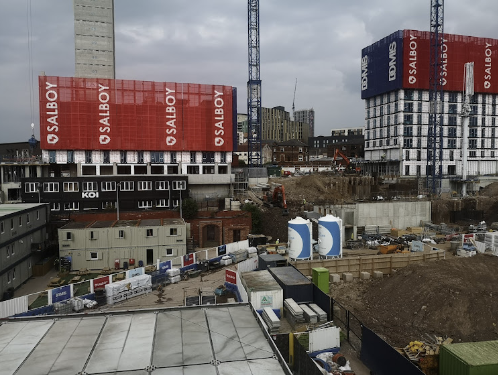
Construction efforts following the devastation of the 1953 floods
One of the most serious natural disasters in England was the 1953 North Sea Flood, which occurred on 31 January and 1 February 1953. The flood affected large parts of the east coast of England, especially areas such as Essex, Norfolk, and Lincolnshire.
The Cause of the Disaster
The disaster was caused by a strong storm combined with very high tides in the North Sea. Powerful winds pushed seawater toward the coast, causing sea defenses and dikes to fail. As a result, large areas were flooded within a very short time, often during the night when people were sleeping.
The Impact
More than 300 people lost their lives in England, and thousands of homes were destroyed or badly damaged. Many residents had to be rescued by boats, and some towns, such as Canvey Island, were almost completely underwater.
Lasting Changes
The 1953 flood had a lasting impact on England. After the disaster, the government invested heavily in flood protection systems, including stronger sea walls and better warning systems. One of the most important results was the construction of the Thames Barrier, which helps protect London from future flooding.
Conclusion
In conclusion, the 1953 North Sea Flood was a tragic event that changed how England prepares for and protects itself against natural disasters. It remains an important lesson about the power of nature and the importance of early warning systems and strong infrastructure.
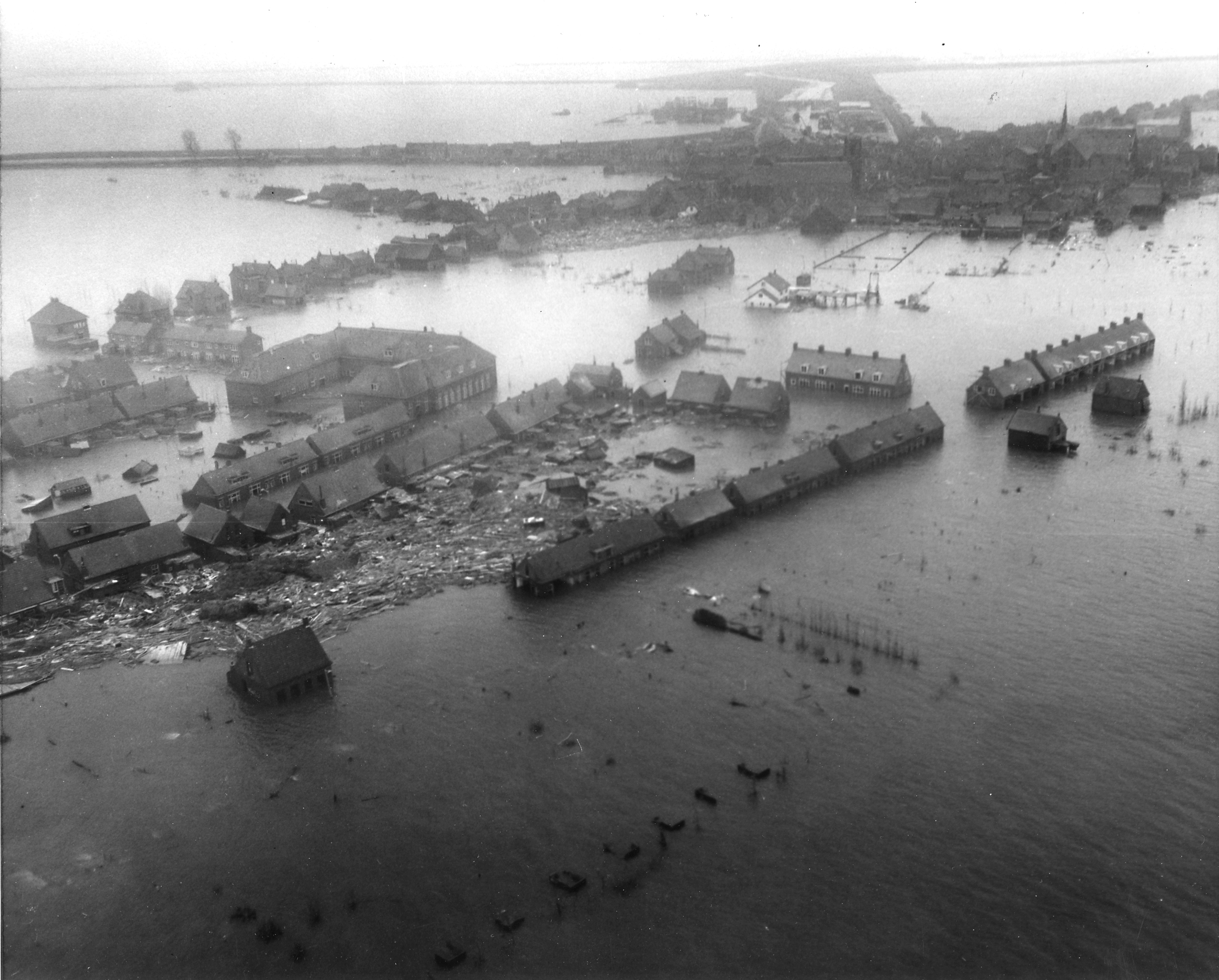
Historical photograph of the 1953 flood damage
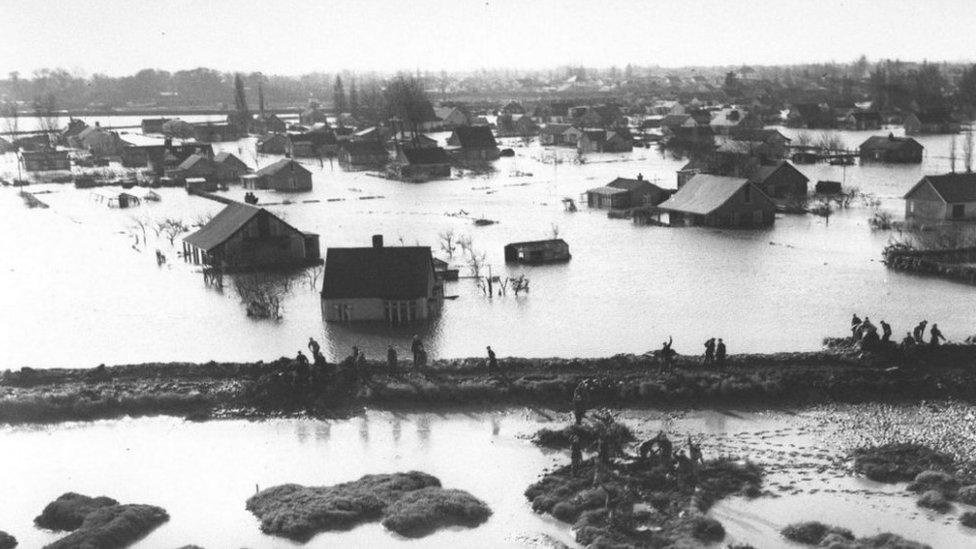
Rescue and recovery efforts during the disaster